
Blog
Floor Molding from Dandong Pengxin Machinery
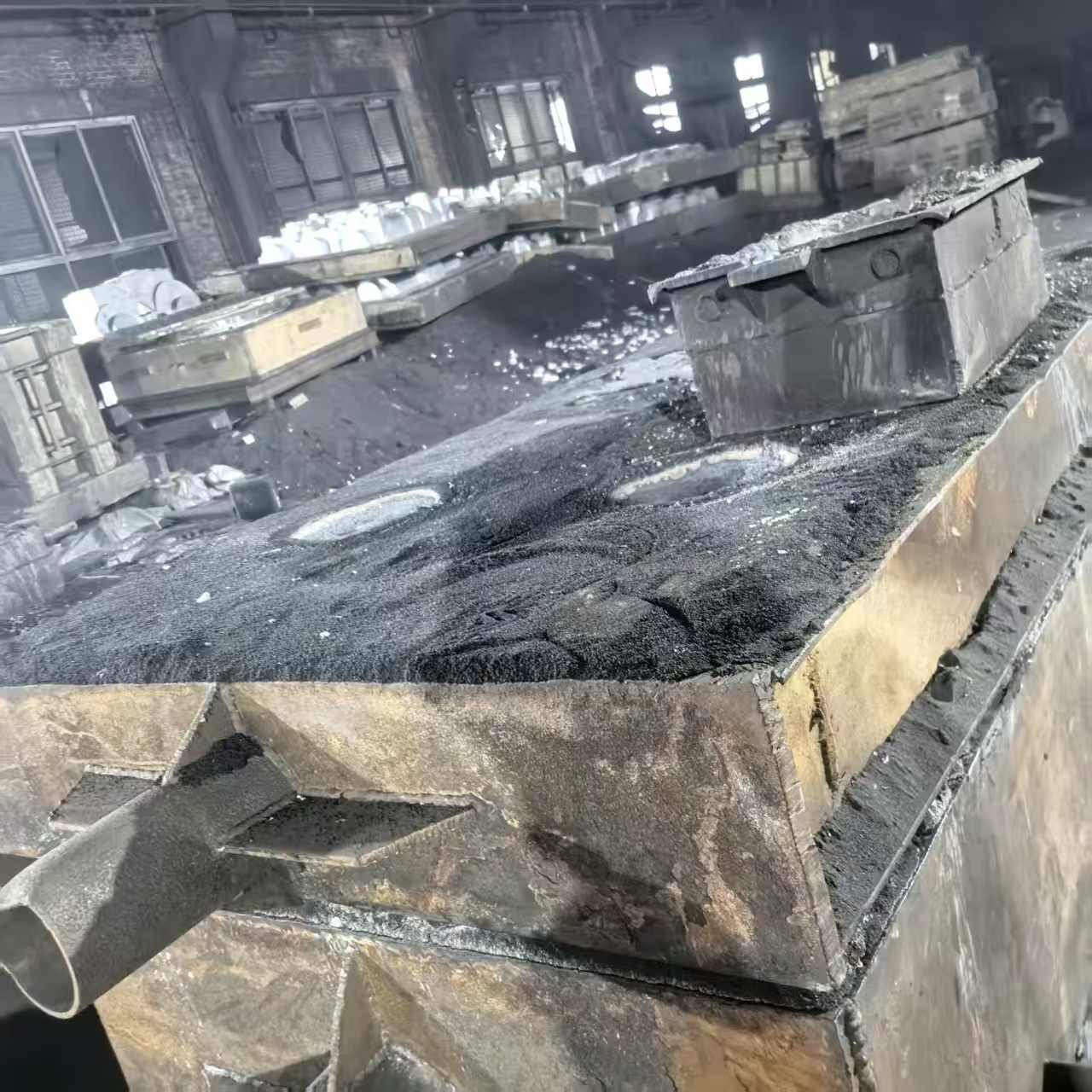
In the dynamic world of metal casting, Floor Molding stands as a cornerstone process, combining traditional craftsmanship with robust engineering. This fundamental sand molding technique involves creating molds directly on the foundry floor using specialized sand boxes, offering unparalleled flexibility and reliability for foundries worldwide.
The Essence of Floor Molding
Unlike automated machine molding, Floor Molding relies on skilled manual craftsmanship to shape molds using either Green Sand (clay-bonded) or Resin Sand (chemically bonded). This hands-on approach provides exceptional control over mold integrity, making it a persistently vital method in both modern Chinese foundries and global casting operations.
Engineering Advantages for Modern Foundries
-
Material Versatility & Cost Efficiency: Utilizing readily available silica sand as the base molding material ensures low production costs and straightforward mold fabrication.
-
Scalable Production: Ideal for low-to-medium volume runs as well as large-scale manufacturing of complex castings.
-
Thermal Management: While standard silica sand meets most needs, specialized sands like Chromite Sand and Corundum Sand are employed for high-temperature applications requiring superior thermal stability.
Binder Systems: The Core of Mold Integrity
The strength of any sand mold lies in its binder system. Floor Molding accommodates diverse bonding agents tailored to specific casting requirements:
-
Clay Binders: The traditional choice for Green Sand Molding, offering excellent collapsibility and reusability.
-
Chemical Binders: Including Furan Resins, Alkali-Phenolic Resins, and inorganic binders like Silicate or Phosphate systems, which provide enhanced dimensional accuracy and surface finish.
-
Oil-Based Binders: Traditional drying oils still serve specialized applications where specific mold properties are required.
This binder classification yields three primary mold types: Wet Clay Sand (Green Sand) Molds, Dry Clay Sand Molds, and Chemically Hardened Sand Molds—each selected based on metal type, casting complexity, and production parameters.
Global Terminology, Universal Application
While regional terminology varies—known as "Green Sand Molding" in many Asian foundries and traditionally as "Floor Molding" or "Floor Moulding" in Western industry standards—the process remains universally recognized for its adaptability and reliability in producing high-integrity castings.
Why Leading Foundries Continue to Choose Floor Molding
As a foundational casting technology, Floor Molding delivers the perfect synergy of economic efficiency, technical flexibility, and proven reliability. It supports the production of everything from simple components to intricate heavy-section castings, maintaining its status as an indispensable method in the global foundry sector.
RELATED NEWS
- Machining capacity of Dandong Iron Casting Group casting Foundry
- Custom Cast Machine Pad Iron in China Dandong Casting Foundry
- Reliable Cast Iron Anchor Block Supplier for Global Projects
- General Technical Requirements & Industrial Steel Castings Supplier
- Differental Material Applications in Automotive Exhaust Manifolds
CATEGORIES
LATEST NEWS
CONTACT US
Name: John Yu
Mobile:+86 15941574876
Tel:+86 15941574876
Whatsapp:+86 15941574876
Email:john_yu@metals-casting.com
Add:Wangjiapu Group, Xinan Village, Qianyang Town, Donggang City, Dandong City, Liaoning Province, China.