
Blog
-
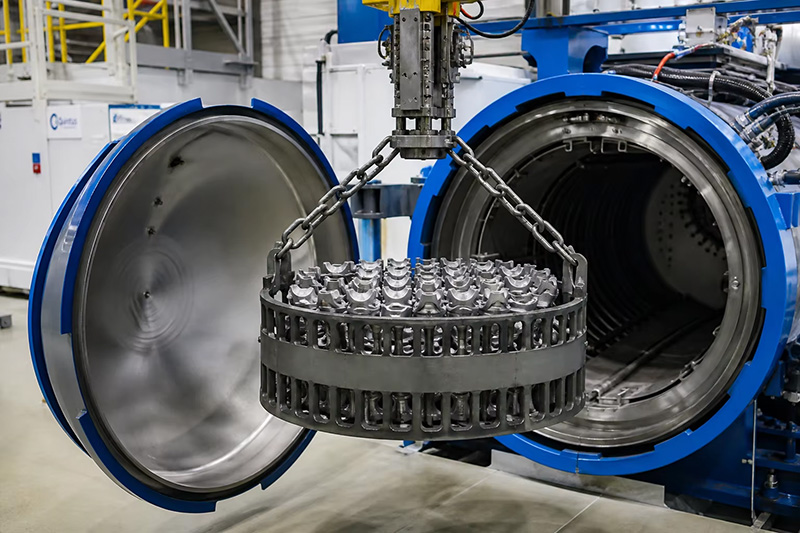 26-10-10A complete technical guide to precision investment casting for medical devices, orthopedic surgical implants, and surgical instruments.
 -
 26-10-03A comprehensive strategic sourcing guide to remote factory audits and virtual quality verification for global metal casting procurement.
 -
 26-09-30A comprehensive engineering guide to tool-less rapid prototyping in metal casting.
 -
 26-09-25A complete technical guide to reciprocating and process gas compressor cylinder and casing castings.
 -
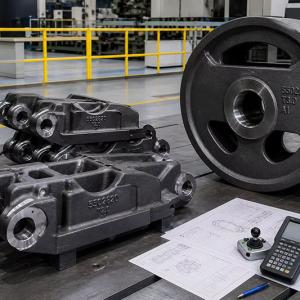 26-09-18A complete engineering guide to heavy cast steel open-pit mining electric rope shovel and dragline components.
 -
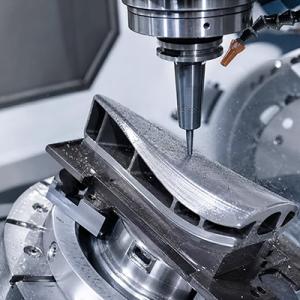 26-09-11A complete technical guide to industrial gas and steam turbine stationary nozzle guide vane (NGV), segment, and diaphragm castings.
 -
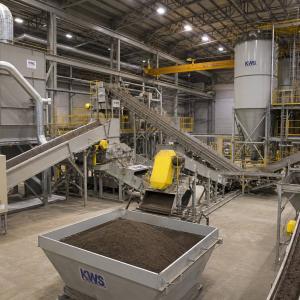 26-09-04Meta Description: A technical guide to sustainable manufacturing in foundries. Learn energy-efficient melting, scrap steel recycling, sand reclamation, emissions control, ISO 14001, and how to evaluate a foundry's environmental performance.
 -
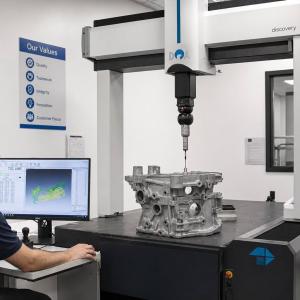 26-08-28Meta Description: A guide to PPAP and quality documentation in casting manufacturing. Learn the 18 PPAP elements, EN 10204 material certificates, heat treatment records, NDT reports, dimensional reports, control plans, and how to review a casting supplier's quality package.
CATEGORIES
LATEST NEWS
CONTACT US
Name: John Yu
Mobile:+86 15941574876
Tel:+86 15941574876
Whatsapp:+86 15941574876
Email:john_yu@metals-casting.com
Add:Wangjiapu Group, Xinan Village, Qianyang Town, Donggang City, Dandong City, Liaoning Province, China.