
Blog
Gear Casting in China
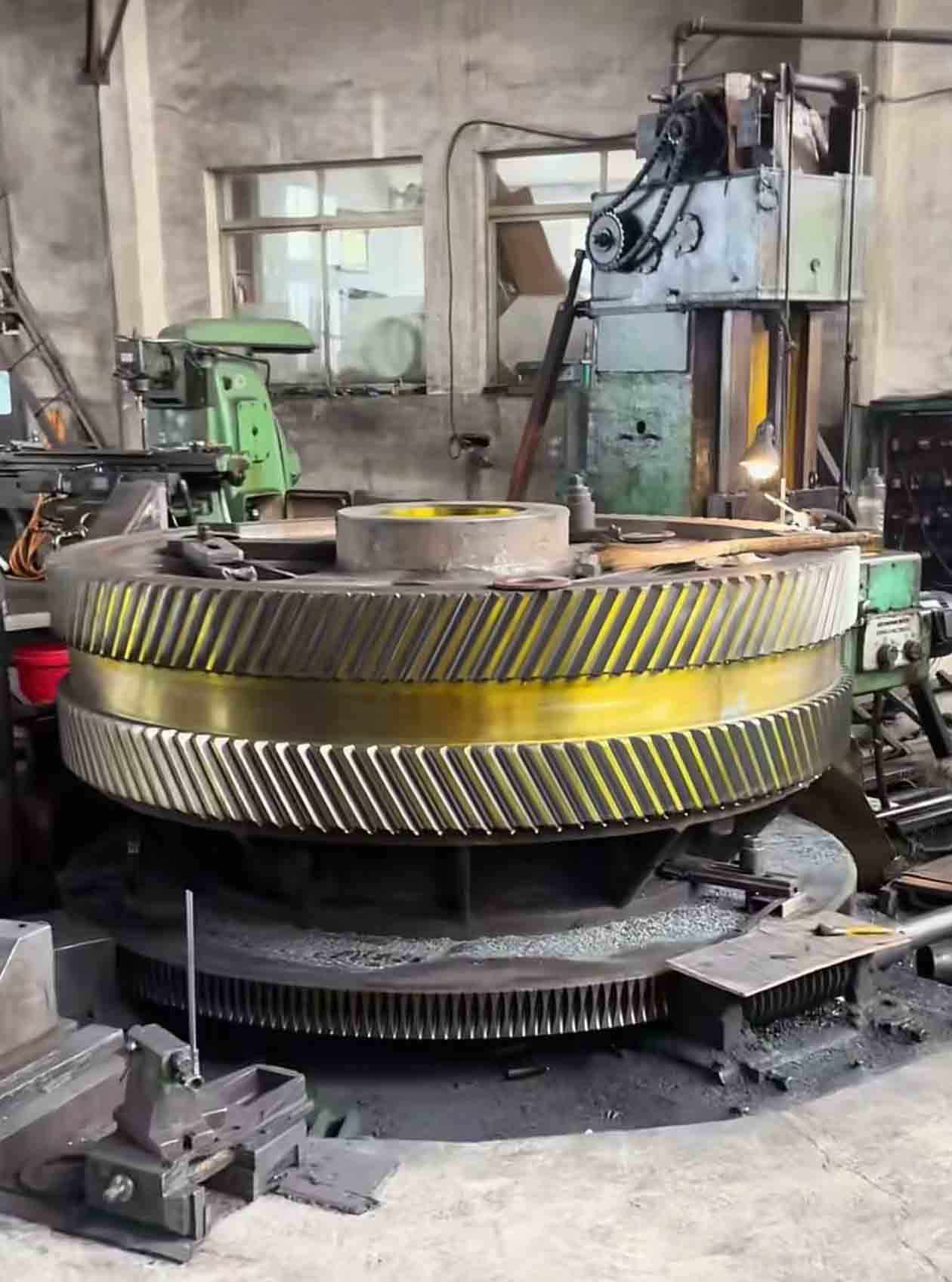
In the world of heavy machinery and power transmission, cast steel gears form the critical backbone of countless industrial applications. Often referred to as gear casting, this manufacturing process is the preferred method for producing durable, high-strength gears, ranging from small pinions to massive bull gears weighing several tons.
While forging is an alternative, casting offers a unique balance of design flexibility, cost-efficiency, and reliable performance for general working conditions. This comprehensive guide explores the intricacies of producing gear castings, from material selection and molding processes to essential heat treatment protocols that ensure longevity and wear resistance.
What are Gear Castings? Materials and Applications
Gear castings are metal components produced by pouring molten steel into a mold. The term is almost synonymous with cast steel gears because steel is the predominant material used due to its excellent mechanical properties.
-
Weight Range: The versatility of the casting process allows for the production of gears ranging from just a few kilograms to massive components weighing over a ton, catering to diverse industrial needs.
-
Material Composition: The choice of material is dictated by the required tensile strength and working conditions.
-
High-Carbon Cast Steel: This is the standard material for many general-purpose gears, providing a good balance of strength and hardness.
-
Alloy Steel (Cr, Ni, Mo): For applications demanding higher tensile strength, toughness, and wear resistance, alloy steels incorporating elements like Chromium, Nickel, and Molybdenum are used. It is a common practice that larger gears, which operate at lower speeds, may have slightly lower physical requirements compared to small, high-speed gears, allowing for optimized material costs.
-
The Gear Casting Process: Why Floor Molding is the Industry Standard
For the production of medium to large steel castings, the manufacturing process must be both reliable and economical. This is where floor molding with quartz sand becomes the technique of choice.
-
Floor Molding for Large Gears: For components like bull gears, pinions, and idlers, floor molding is not just suitable; it is often the only viable method. This process involves constructing the mold directly on the foundry floor, which is ideal for handling the large patterns required for big gears.
-
The Role of Quartz Sand: Using quartz sand as the molding material is a cost-effective solution that provides sufficient refractoriness and permeability. Since most gear castings require significant machining on their teeth, bores, and mounting surfaces, the as-cast surface finish from a quartz sand mold is perfectly adequate. Investing in more expensive, high-precision casting processes is unnecessary when the final dimensions will be achieved through machining.
Heat Treatment for Gear Castings: Ensuring Strength and Durability
Raw castings possess internal stresses from the cooling process. To achieve the required metallurgical properties and service life, a precise heat treatment for gears is non-negotiable. Without proper treatment, a gear's lifespan can be drastically short, measured in weeks or months.
-
Normalization (Stress Relieving): This is a mandatory first step for all steel castings. The gear is heated to a specific temperature and then air-cooled. This process refines the grain structure and erases internal stresses, creating a uniform microstructure ready for machining.
-
Annealing for Weld Repairs and Machinability: Sometimes, minor casting defects are repaired by welding.
-
Post-Weld Annealing: If welding is performed, a localized or full anneal is necessary to relieve the new stresses introduced by the welding process.
-
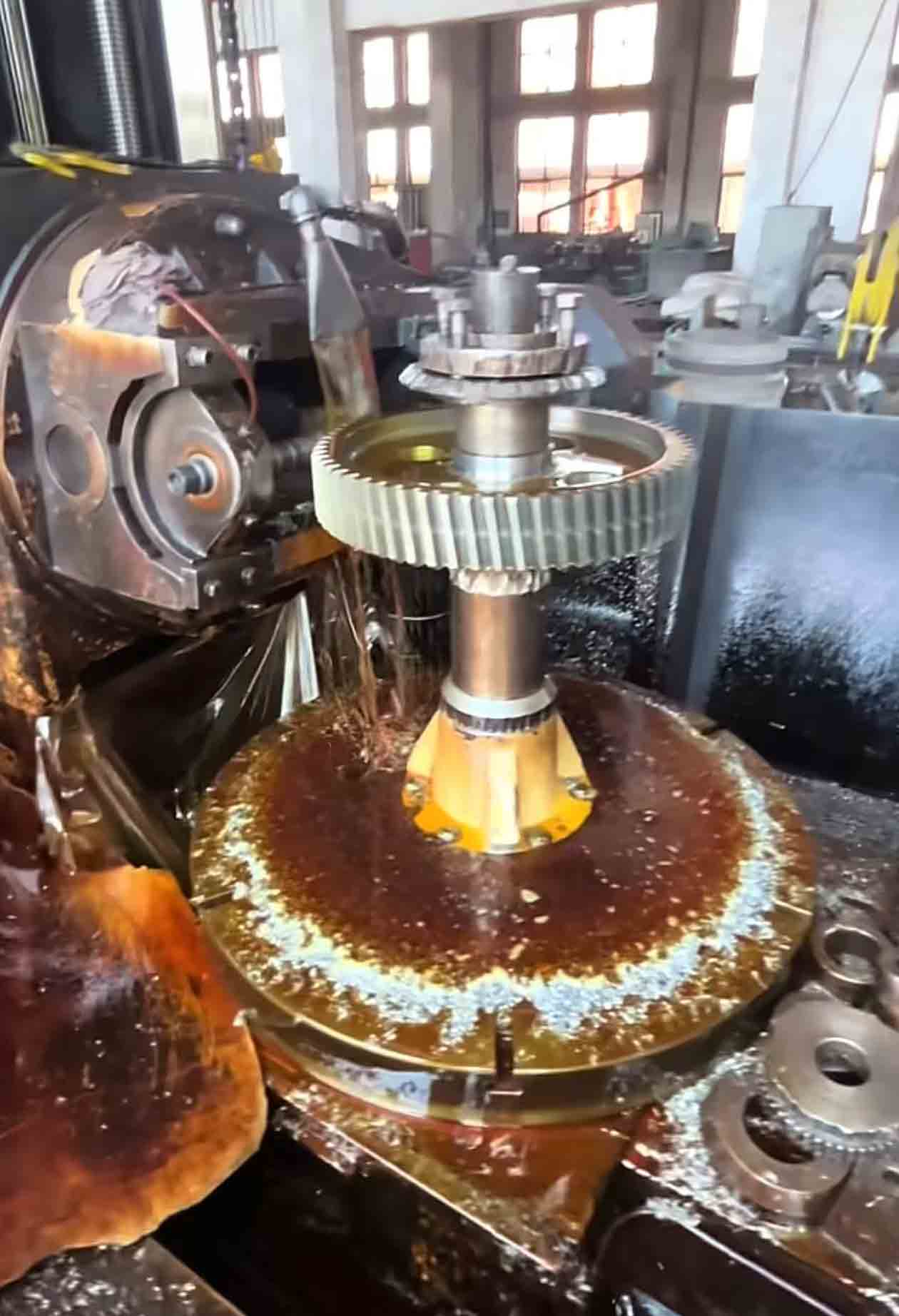
Softening for Hobbing: If the gear is too hard for the gear hobbing process, an anneal can be performed to reduce hardness and eliminate any hard spots, ensuring clean and accurate tooth cutting.
-
-
Hardening (Quenching) for Wear Resistance: After machining and hobbing, the gear teeth must be hardened to withstand operational wear.
-
Carburizing for Small Gears: Smaller gears are often carburized, a case-hardening process where carbon is diffused into the surface, followed by quenching. This creates a hard, wear-resistant case while maintaining a tough, ductile core.
-
Surface/Induction Quenching for Large Bull Gears: For large bull gears, through-hardening is impractical. Instead, surface hardening techniques like induction or flame quenching are used to selectively harden only the tooth flank and root, providing excellent wear resistance without affecting the gear's core toughness.
-
Cast Steel vs. Forged Gears: How to Choose the Right Manufacturing Process
A common question in procurement is whether to specify a cast or a forged gear. The decision hinges on the application, budget, and performance requirements.
-
Forged Gears: The forging process creates a dense internal grain structure that flows with the shape of the gear tooth. This results in superior strength, impact resistance, and reliability. Forged gears are the choice for the most stringent working conditions, such as in aerospace, high-performance automotive, and critical heavy-lifting applications. However, this performance comes at a significantly higher cost, and forging is often limited to simpler shapes and smaller sizes.
-
Cast Gears: The casting process allows for unparalleled design freedom, including complex geometries and integral hubs or webs. While the internal structure is not as directionally strong as a forging, modern casting techniques and alloying produce cast steel gears with more than adequate strength for the vast majority of general working conditions. The primary advantages are lower tooling costs and the ability to produce very large, complex shapes that would be impossible or prohibitively expensive to forge.
Conclusion: Buyers should select the manufacturing process based on a cost-benefit analysis. For standard industrial applications, cast gears offer the best value. For critical, high-stress environments where failure is not an option, forged gears are the necessary investment.
Why Choose a Specialized Foundry for Your Gear Castings?
Producing high-quality gear castings is a complex challenge. It requires meticulous control over material chemistry, defect-free molding, precise machining, and expertly applied heat treatment. The order volume for these specialized components is often small, leading many general steel foundries to avoid them.
However, a specialized foundry with a proven track record, such as Dandong Pengxin Machinery, possesses the expertise to navigate these complexities. From small pinions and idlers to massive bull gears, the ability to control every step of the process—from floor molding with quartz sand to final heat treatment—ensures a reliable, long-lasting component.
RELATED NEWS
- Remote Foundry Sourcing: The Complete Virtual Factory Audit & Quality Verificati
- The Difference between Pig Iron and Wrought Iron in China
- Why Choose Cast Iron Flywheel for Crusher?
- How to Reduce Expenses on Metal Castings Without Sacrificing Quality
- Gary Cast iron Brinell Hardness,Ductile iron Rockwell hardness and Cast Iron
CATEGORIES
LATEST NEWS
CONTACT US
Name: John Yu
Mobile:+86 15941574876
Tel:+86 15941574876
Whatsapp:+86 15941574876
Email:john_yu@metals-casting.com
Add:Wangjiapu Group, Xinan Village, Qianyang Town, Donggang City, Dandong City, Liaoning Province, China.