
Blog
The Difference between Pig Iron and Wrought Iron in China
Pig iron, commonly referred to as cast iron, is an iron-carbon alloy containing between 2% and 4.3% carbon. In addition to carbon, it includes silicon, manganese, and trace amounts of sulfur and phosphorus. Unlike malleable iron, pig iron cannot be forged but is well-suited for casting. Based on the form of carbon present, pig iron is classified into three main types: steelmaking pig iron, foundry pig iron, and ductile iron.
In steelmaking pig iron, carbon exists primarily in the form of iron carbides, giving the material a white crystalline fracture surface, hence its common name—white iron. This type is characterized by high hardness and brittleness, making it ideal as a raw material for steel production.
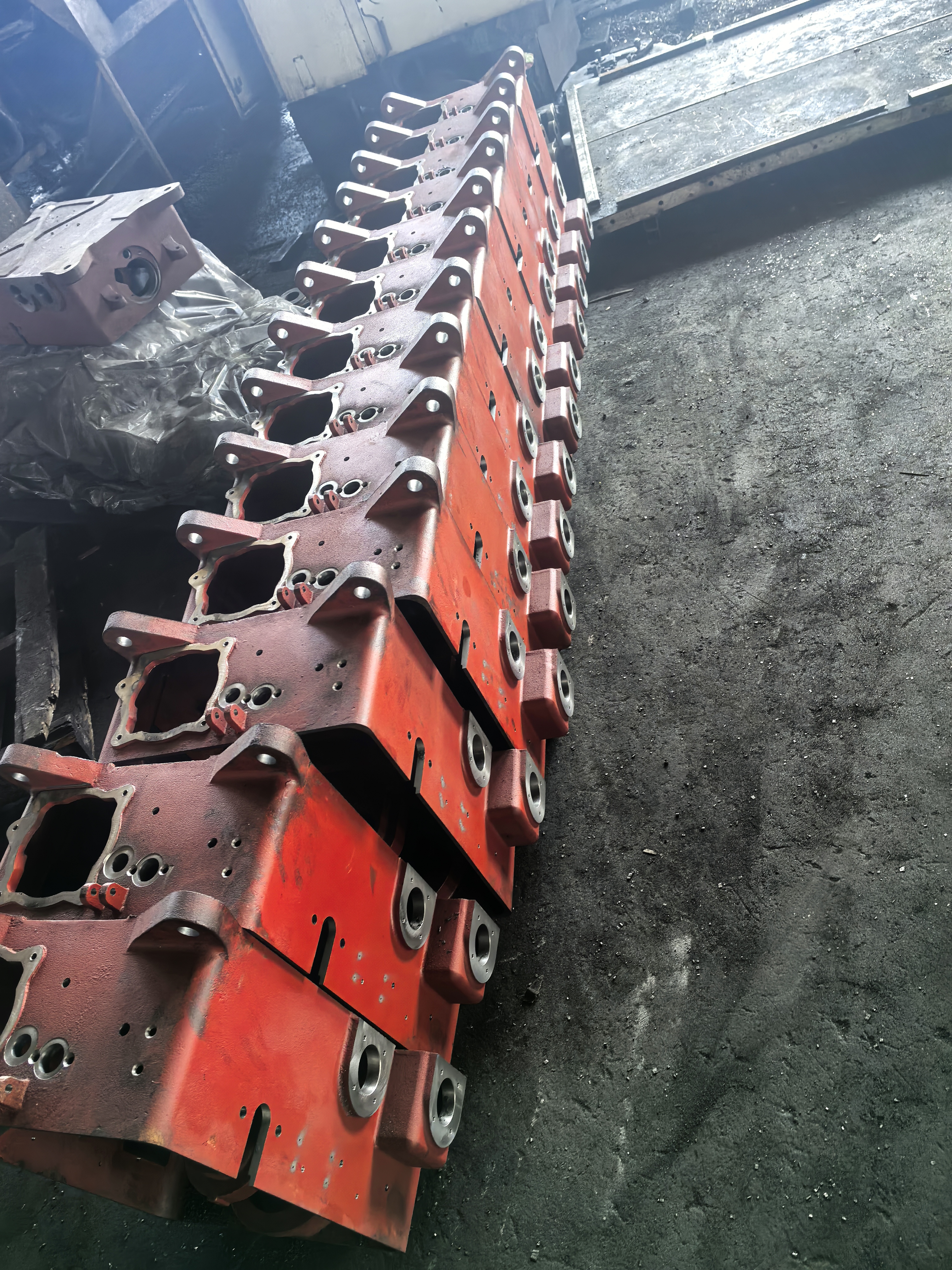
Foundry pig iron, also known as gray iron, contains carbon in the form of flake graphite, resulting in a gray fracture appearance. The graphite flakes provide natural lubrication, offering excellent machinability, wear resistance, and castability. However, gray iron has limited tensile strength and cannot be forged. It is widely used in manufacturing cast components such as machine tool beds, engine blocks, and pipes.
Ductile iron, or nodular iron, features carbon in the form of spherical graphite nodules. This microstructure gives it mechanical properties significantly superior to gray iron—approaching those of cast steel—while retaining good castability, machinability, and wear resistance. Its enhanced ductility and strength make it a preferred material for demanding applications such as crankshafts, gears, pistons, and high-performance mechanical parts.
Beyond these, specialized iron alloys with high silicon, manganese, nickel, or other elements—such as ferrosilicon and ferromanganese—are used as additives in steelmaking. These alloys help improve the physical and mechanical properties of final steel products.
It is important to distinguish pig iron from other ferrous materials: wrought iron (or pure iron) contains less than 0.2% carbon and is soft and ductile but limited in strength; steel typically has 0.2% to 1.7% carbon and combines strength with formability; while pig iron, with over 2% carbon, offers superior castability but lower workability.
Understanding these classifications helps in selecting the right material for industrial applications, ensuring optimal performance, durability, and cost-effectiveness in casting and manufacturing processes.Dandong Pengxin Machinery will solve all your problems in one stop.
CATEGORIES
LATEST NEWS
CONTACT US
Name: John Yu
Mobile:+86 15941574876
Tel:+86 15941574876
Whatsapp:+86 15941574876
Email:john_yu@metals-casting.com
Add:Wangjiapu Group, Xinan Village, Qianyang Town, Donggang City, Dandong City, Liaoning Province, China.