
Blog
Cast Iron vs Cast Steel: Chemical Composition and Key Differences Explained
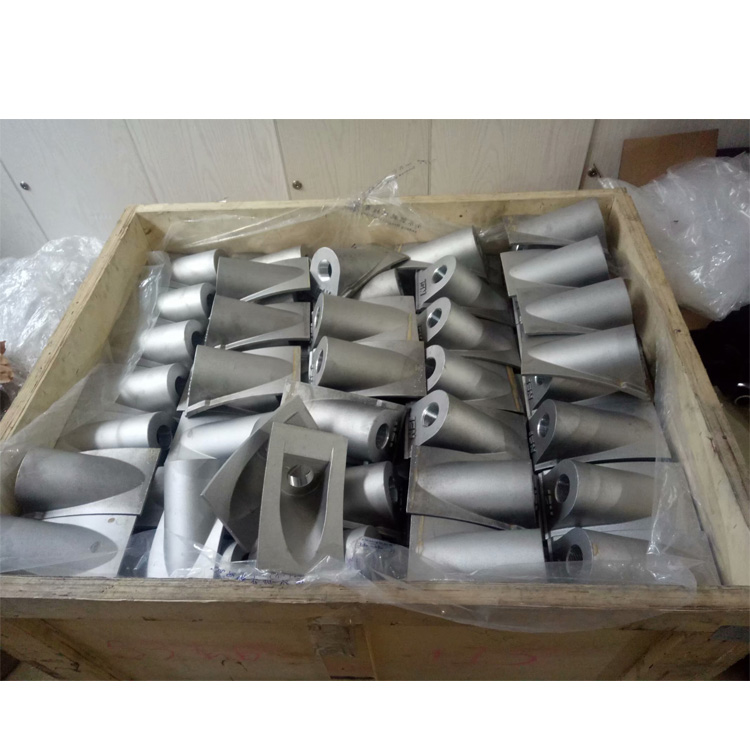 Choosing between cast iron and cast steel is a fundamental decision in engineering and manufacturing. While both are ferrous alloys produced via casting, their distinct chemical compositions—primarily carbon content—lead to vastly different properties and applications.
Chemical Composition & Microstructure
The core difference lies in carbon content. Cast iron typically contains 2% to 4% carbon, along with 1% to 3% silicon. This high carbon content causes excess carbon to precipitate as graphite flakes (in gray iron) or nodules (in ductile iron) within an iron matrix. Cast steel, conversely, has a much lower carbon content, generally below 0.5%, keeping carbon in solution or as iron carbide, resulting in a predominantly pearlitic or martensitic microstructure.
Mechanical & Performance Properties
This structural divergence defines their performance:
-
Strength & Ductility: Cast steel offers superior tensile strength, impact resistance, and ductility. It can withstand significant deformation before failure, making it ideal for dynamic loads. Cast iron, especially gray iron, is strong in compression but relatively brittle in tension, with low impact resistance.
-
Hardness & Wear: Some cast irons, like white iron, offer exceptional hardness and abrasion resistance. While cast steel can be surface-hardened, cast iron often provides better wear resistance in certain applications.
-
Damping & Machinability: Cast iron has excellent vibration damping capacity due to its graphite flakes and is generally easier to machine. Cast steel dampens vibrations less effectively but offers better weldability and weld strength.
Application & Cost Considerations
-
Typical Applications:
-
Cast Iron: Used for engine blocks, brake discs, machine tool bases, pipes, and cookware, where rigidity, damping, or wear resistance is critical.
-
Cast Steel: Employed in structural components, gears, heavy machinery parts, pressure vessels, and automotive suspensions where high strength, toughness, and fatigue resistance are required.
-
-
Cost: Generally, raw material and production costs for basic cast iron are lower than for cast steel. The steelmaking process is more energy-intensive, and casting steel often requires more sophisticated mold technology and post-casting heat treatment to achieve desired properties.
In summary, cast iron is the choice for cost-effective components needing rigidity, damping, and wear resistance. Cast steel is selected for high-performance parts subjected to shock, stress, and dynamic loads where toughness is paramount. The decision ultimately hinges on a precise evaluation of mechanical requirements, service conditions, and total cost.
RELATED NEWS
CATEGORIES
LATEST NEWS
CONTACT US
Name: John Yu
Mobile:+86 15941574876
Tel:+86 15941574876
Whatsapp:+86 15941574876
Email:john_yu@metals-casting.com
Add:Wangjiapu Group, Xinan Village, Qianyang Town, Donggang City, Dandong City, Liaoning Province, China.