
Blog
How to Source High-Quality Metal Castings from China: A Complete Buyer's Guide
Meta Description: A practical guide for international buyers sourcing steel, iron, and stainless steel castings from China. Learn how to evaluate foundries, negotiate pricing, manage quality assurance, and avoid the most common sourcing pitfalls.
China produces more than 50 million tons of metal castings annually — roughly half of global output. For procurement managers, engineers, and business owners in North America, Europe, the Middle East, and beyond, Chinese foundries offer an unmatched combination of production capacity, material range, and cost competitiveness. But the gap between finding a supplier on Alibaba.com and receiving conforming parts on your dock is wide — and it is filled with risks that first-time buyers routinely underestimate.
This guide provides a structured, practical framework for sourcing steel castings, iron castings, and stainless steel castings from China. It covers supplier evaluation, technical communication, pricing, quality assurance, logistics, and the cultural and commercial nuances that determine whether a sourcing relationship succeeds or fails.
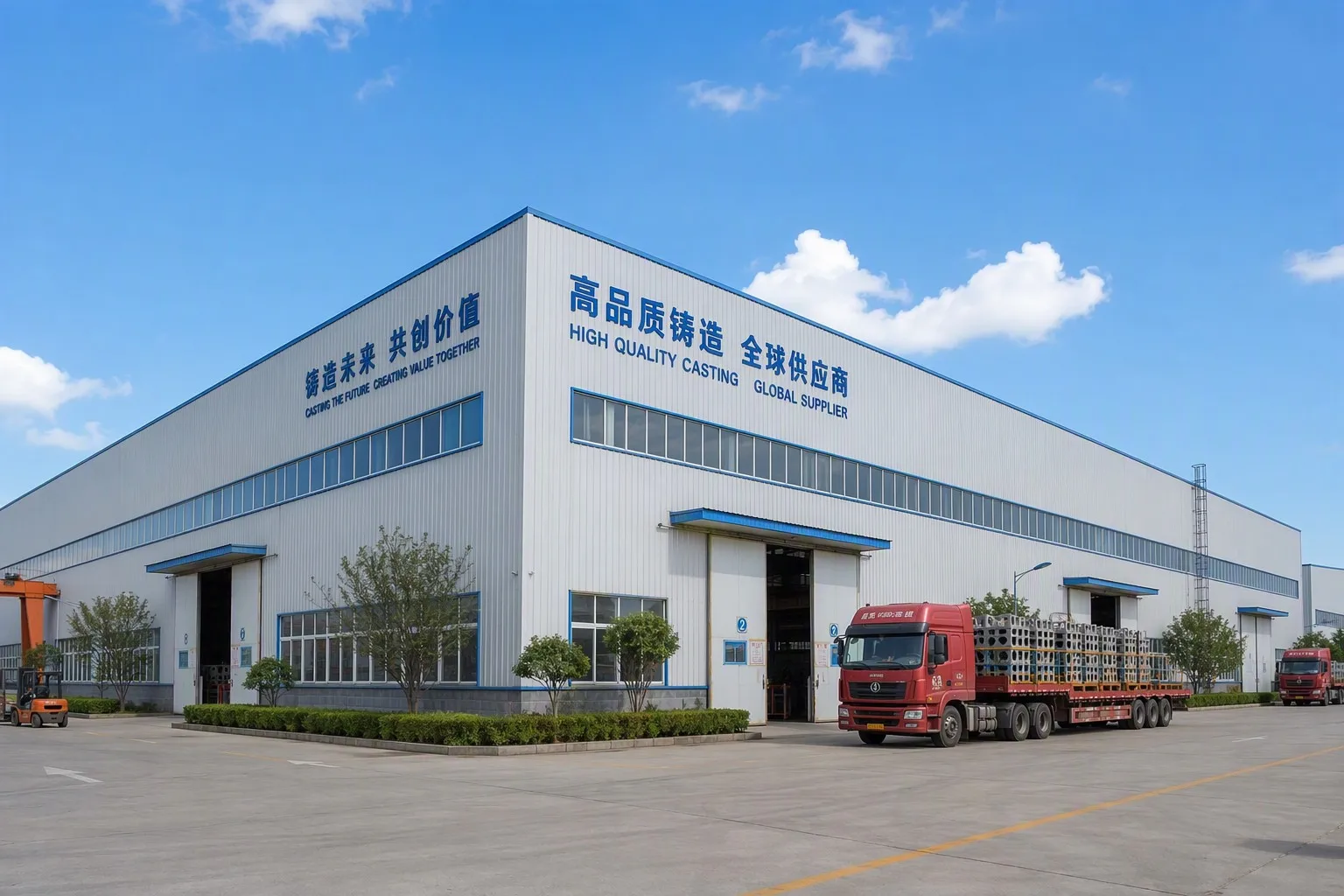
Part 1: Understanding the Chinese Foundry Landscape
Before contacting suppliers, understand what you are looking at. The Chinese casting industry is not a monolith — it spans everything from family-run workshops with a single cupola furnace to publicly listed enterprises with IATF 16949 certification and automated molding lines.
The Three Tiers of Chinese Foundries
Practical advice: Tier 1 foundries are the safest choice for first-time buyers and critical components. The higher unit price is almost always offset by fewer quality problems, faster communication, and reliable documentation. Companies like Dandong City Pengxin Machinery Co., Ltd. — founded in 1958, with over 156 employees, an 80,000 m² facility, and ISO 9001 certification — represent the Tier 1 model that international buyers should target: established history, integrated casting and machining capabilities, and systematic quality management.
Geographic Clusters
Chinese foundries are concentrated in specific regions, each with its own specialization:
Understanding the regional specialization helps narrow your search. A buyer seeking large slag pots or mining equipment castings should start with Liaoning foundries; a buyer needing investment cast stainless steel valve components should look to Zhejiang.
Part 2: Supplier Evaluation — Beyond the Alibaba Profile
An Alibaba.com or Made-in-China.com supplier profile is a starting point, not a qualification. Here is how to evaluate a Chinese foundry properly.
Step 1: Documentation Review
Request and verify these documents before any site visit or sample order:
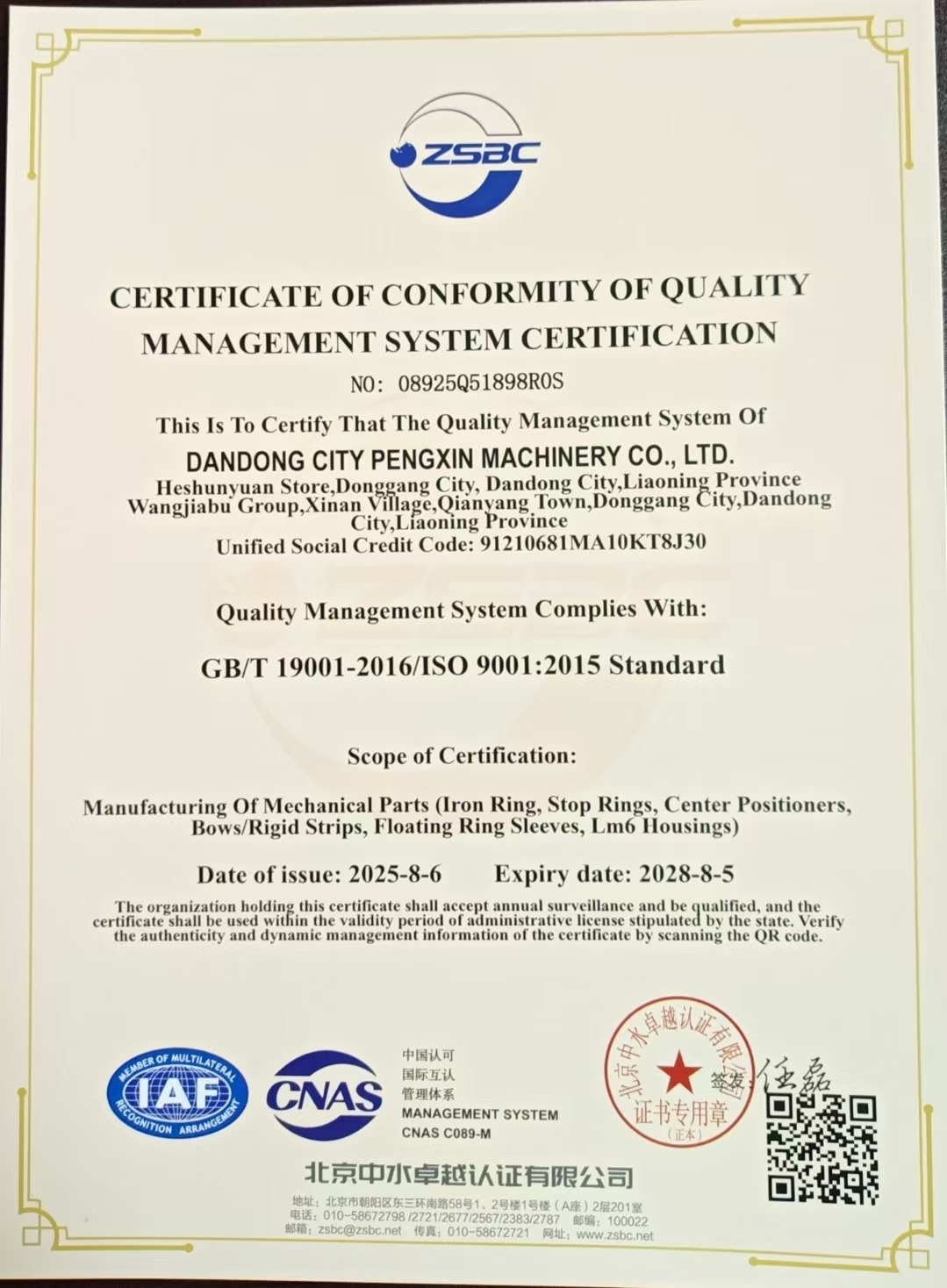 |Industry-specific certifications| IATF 16949 (automotive), PED/AD2000 (pressure equipment), DNV/GL (marine), API (oil and gas). Verify scope covers casting production, not just trading. | |Export license / Import-Export registration| Confirms the company is legally authorized to export directly. Some suppliers only have a trading company handle exports — this is not necessarily a problem but adds a layer. | |Factory audit report| If available — from a third party (SGS, Bureau Veritas, TUV) or from an existing customer. |
Red flag: A certificate issued by an unknown or unverifiable certification body. Legitimate certifications come from internationally recognized bodies. A certificate from an obscure local agency with no online verification portal is worthless.
Step 2: Communication Assessment
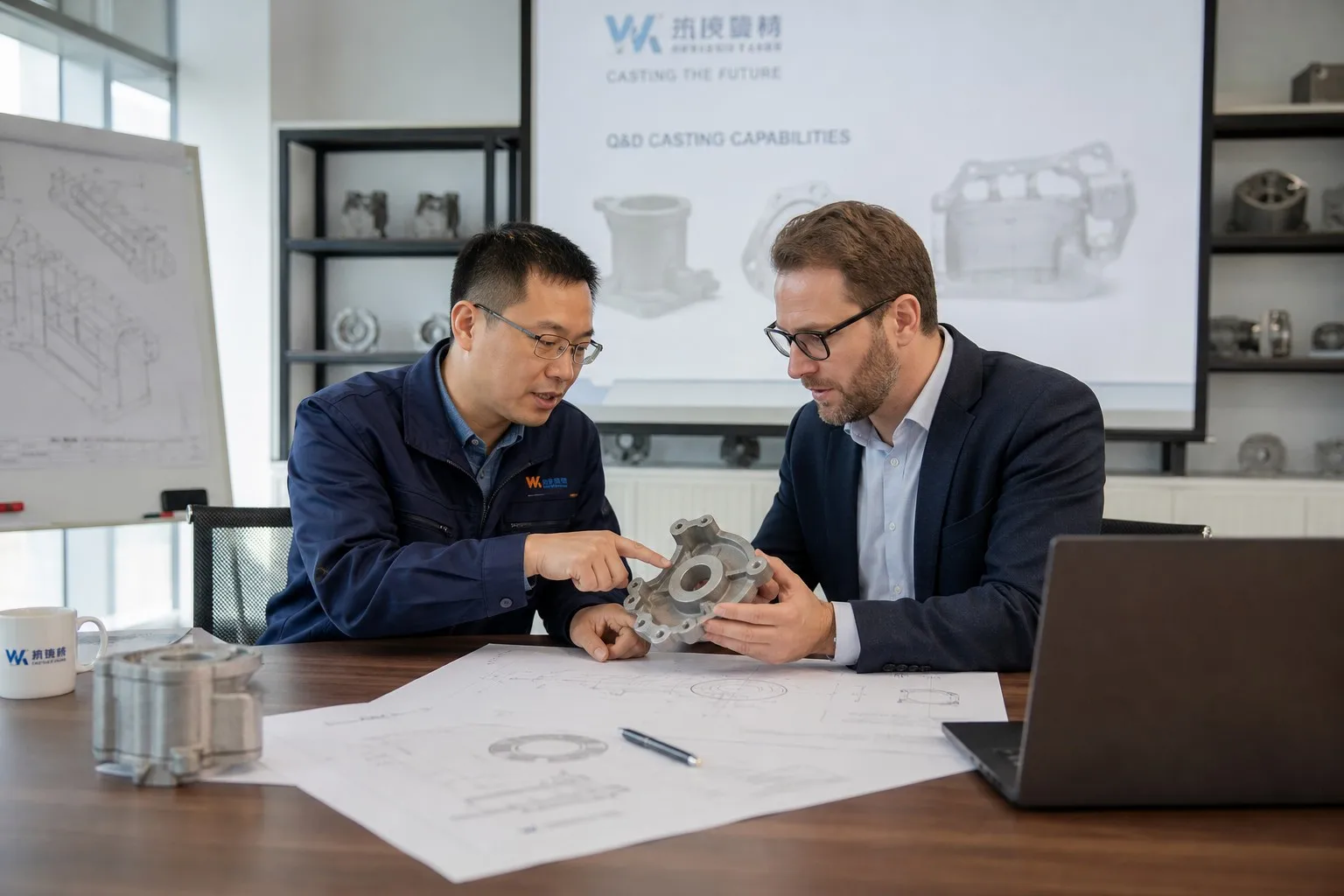
Quality of communication is one of the strongest predictors of sourcing success. Evaluate: