
Blog
Sustainable Manufacturing in the Foundry Industry: Energy, Recycling, and Environmental Responsibility
Meta Description: A technical guide to sustainable manufacturing in foundries. Learn energy-efficient melting, scrap steel recycling, sand reclamation, emissions control, ISO 14001, and how to evaluate a foundry's environmental performance.
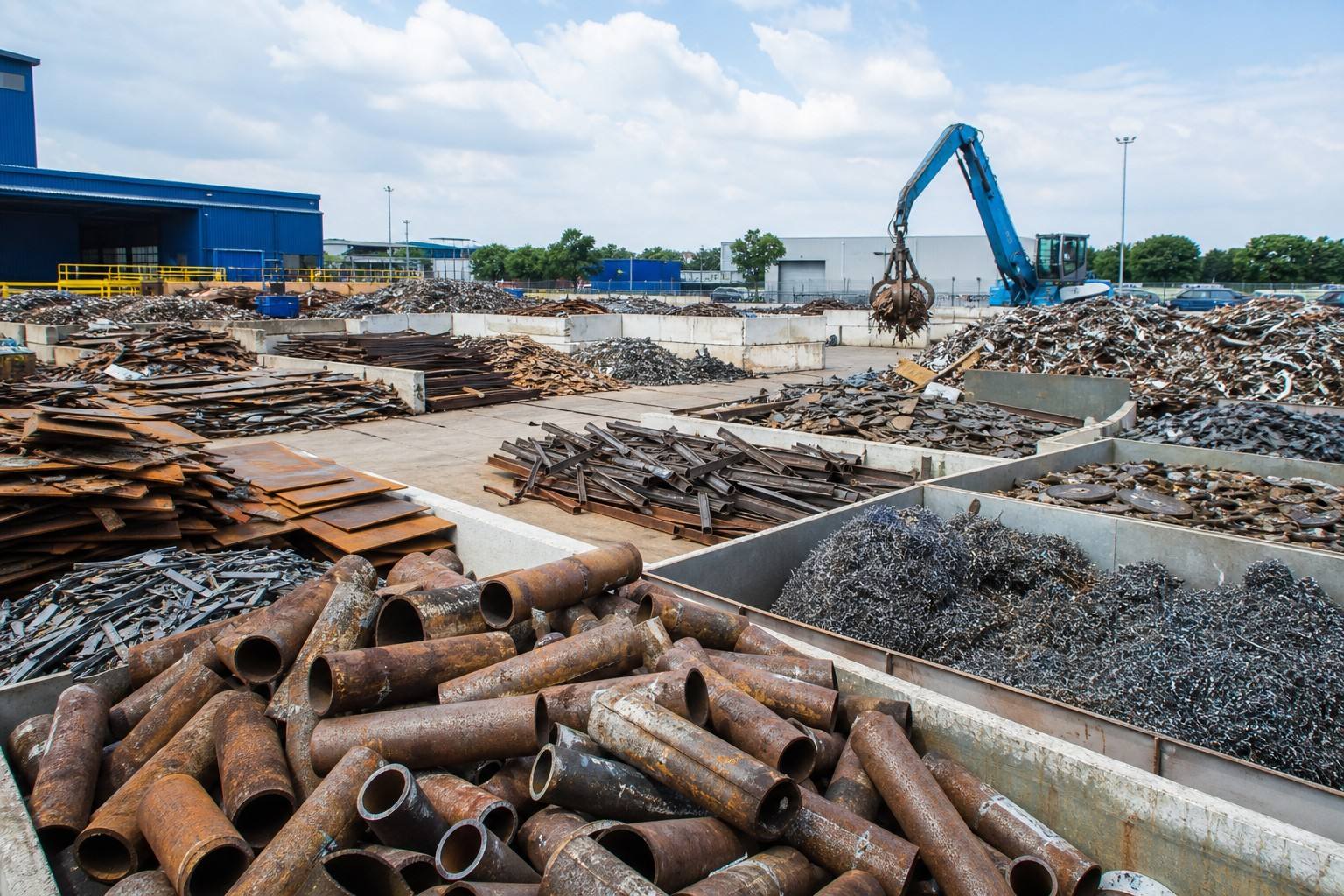
Casting is one of the most energy-intensive manufacturing processes — and one of the most inherently sustainable. Steel castings are produced overwhelmingly from recycled scrap, sand is reused hundreds of times, and the finished component serves for decades. The modern foundry's challenge is to maximize this inherent sustainability: burn less energy, recycle more, emit less, and waste nothing.
For buyers, foundry sustainability is no longer a niche concern. Carbon disclosure requirements, ESG targets, and customer expectations increasingly reach into the supply chain — and the foundry that manufactures efficiently is also the foundry that prices competitively.
This guide covers the technical dimensions of sustainable foundry manufacturing: melting efficiency, recycling, sand reclamation, emissions control, environmental management, and what buyers should look for.
1. The Environmental Footprint of Casting
| Input/Output | Typical Impact |
|---|---|
| Energy | Melting dominates: 60-80% of foundry energy use |
| Raw material | Steel scrap: 70-100% recycled content possible |
| Sand | New sand per ton vs. reclaimed sand |
| Emissions | CO2, dust, VOC, SO2, NOx |
| Water | Cooling and processing water |
| Waste | Slag, dust, spent sand, refractory |
2. Energy Efficiency in Melting
2.1 Furnace Technology Comparison
| Furnace Type | Efficiency | Best Application |
|---|---|---|
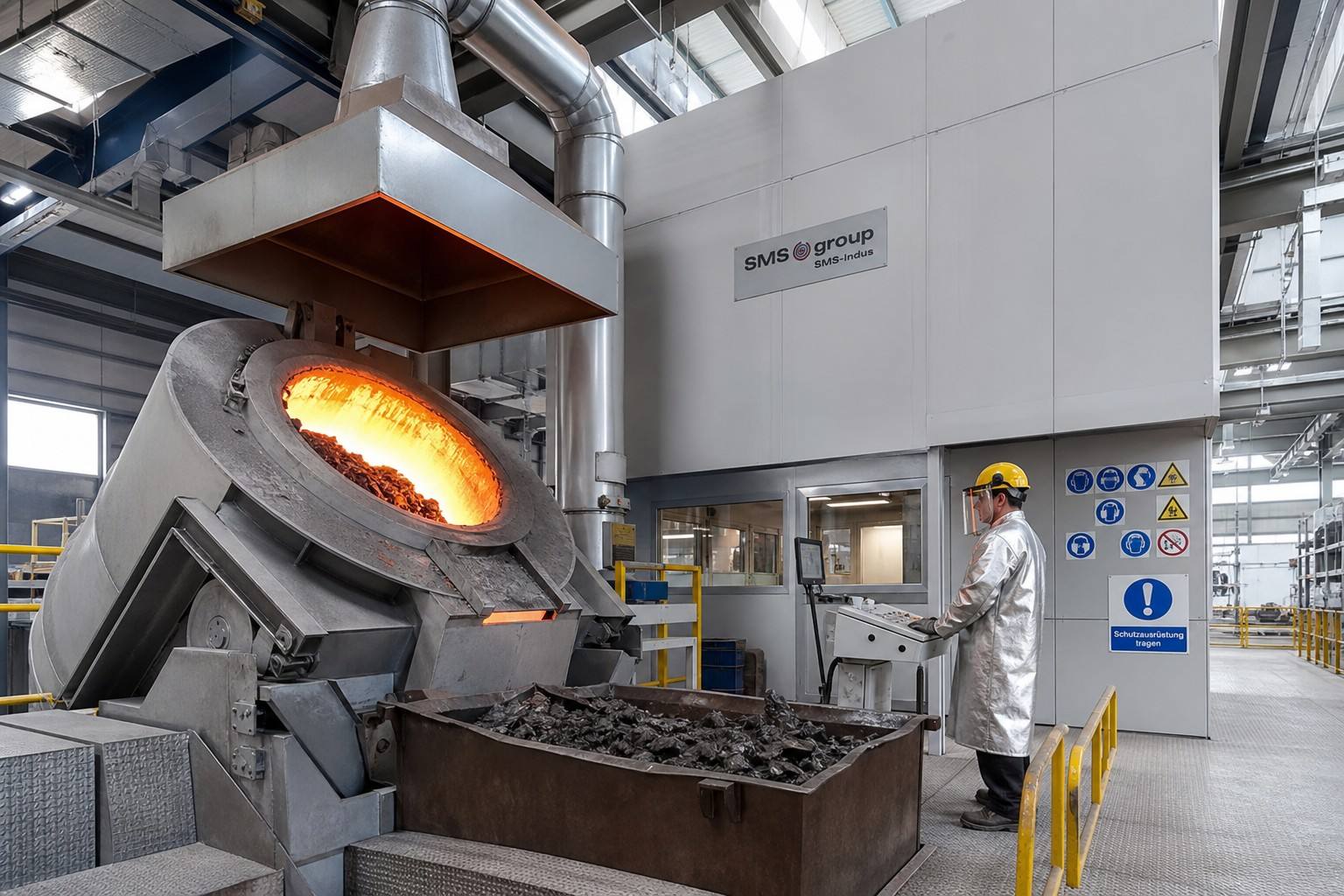
| Induction furnace | 60-75% electrical efficiency | Batch melting of steel and iron |
| Electric arc furnace | 50-65% | Large-volume steel melting |
| Cupola (iron) | 40-50% (coke) | Continuous gray iron melting |
| Channel/vertical induction | Higher for holding | Holding and superheating |
2.2 Energy-Saving Practices
| Practice | Savings |
|---|---|
| Scrap preheating | 5-10% energy reduction |
| Improved furnace lining (refractory) | Reduced heat loss |
| Correct charging density | Faster melt, less hold time |
| Off-peak scheduling | Lower cost, grid balancing |
| Ladle preheating recovery | Waste heat utilization |
| Continuous melting management | Reduced superheat waste |
Modern induction melting with efficient power electronics (IGBT) and good charging practice can achieve some of the lowest specific energy consumption in the industry — typically 500-700 kWh per ton of steel melted.
3. Recycling: The Circular Core of Casting
3.1 Steel Scrap as Raw Material
| Scrap Source | Share of Charge |
|---|---|
| Return scrap (gates, risers, defective castings) | 20-50% |
| Purchased industrial scrap | 40-70% |
| Virgin iron/steel units | 0-30% |
Return scrap — the gating and risering system removed from every casting — is the foundry's most direct recycling loop: it is melted back in the next heat. This is why casting yield (casting weight ÷ poured weight) is an environmental metric as much as an economic one.
3.2 CO2 Benefit of Recycling
Producing steel from scrap via electric arc or induction melting emits roughly one-third to one-half the CO2 of primary steelmaking from iron ore. For every ton of recycled steel used instead of virgin production:
- ~1.5 tons CO2 avoided
- ~1.4 tons iron ore conserved
- ~0.7 tons coal conserved
A casting with 90% recycled content is therefore a substantially lower-carbon product than the same part machined from virgin rolled steel.
3.3 Material Efficiency in Design
| Metric | Definition | Improvement |
|---|---|---|
| Casting yield | Casting weight ÷ poured weight | 60-80% typical; riser optimization improves |
| Material utilization | Final part ÷ purchased material | Near-net casting > machining from solid |
| Scrap rate | Defective castings ÷ produced | Defect prevention programs |
4. Sand Reclamation and Reuse
Sand is the most abundant consumable in a sand foundry:
| Practice | Sand Reuse Rate |
|---|---|
| Green sand (clay-bonded) | 90-95% reconditioned in-system |
| Chemically bonded sand (no-bake) | 50-95% via mechanical reclamation |
| Thermal reclamation | Up to 95%+ quality restoration |
| Wet reclamation | High quality, water use trade-off |
Mechanical vs. Thermal Reclamation
| Method | Process | Quality | Energy |
|---|---|---|---|
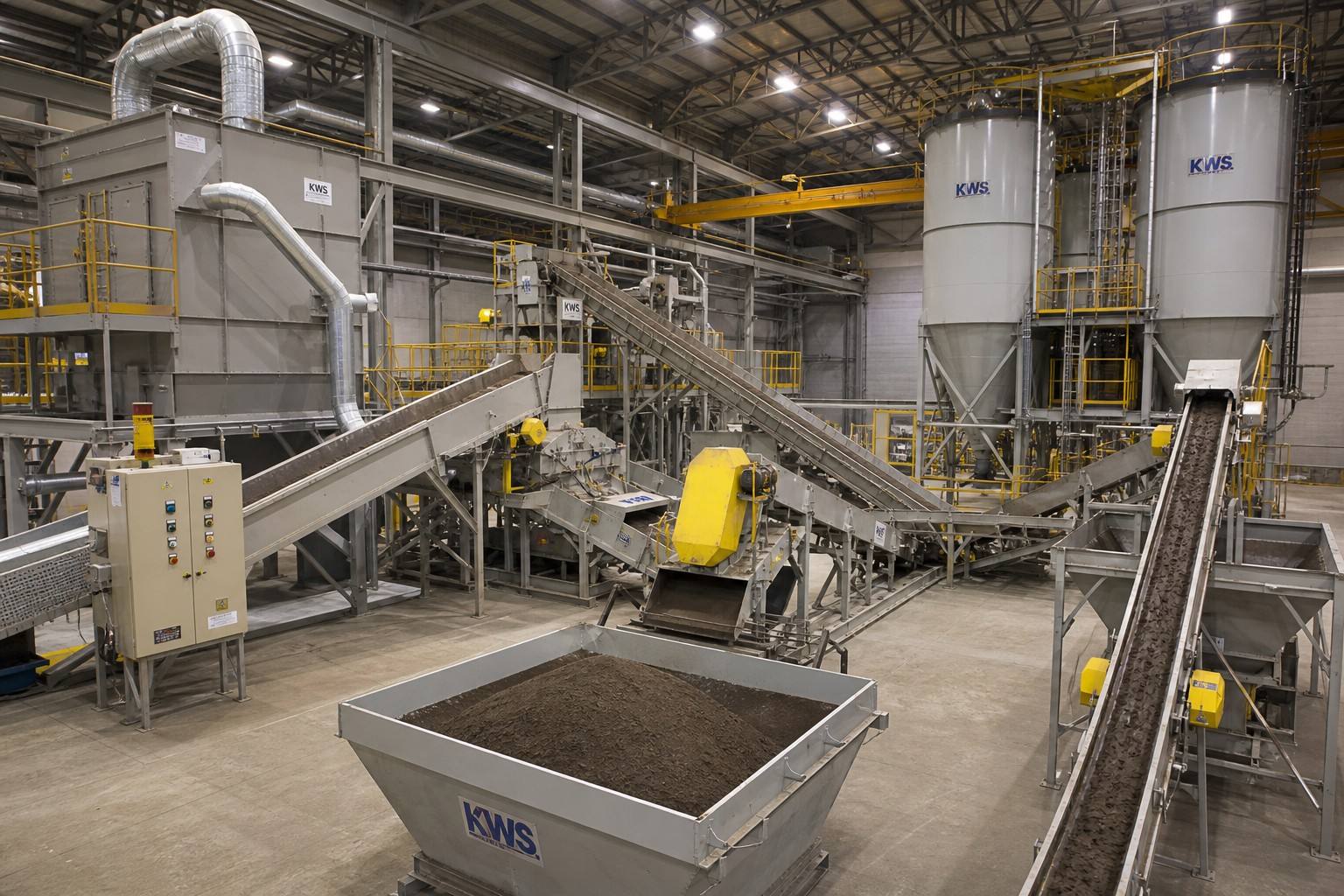
| Mechanical | Attrition, screening | Moderate | Low |
| Thermal | Calcination at 700-900 °C | High (binder fully removed) | High |
| Wet | Scrubbing + classification | High | Moderate (water) |
Reclaimed sand reduces new sand purchases, landfill disposal, and binder consumption — a triple environmental win.
5. Emissions Control
| Emission | Source | Control Technology |
|---|---|---|
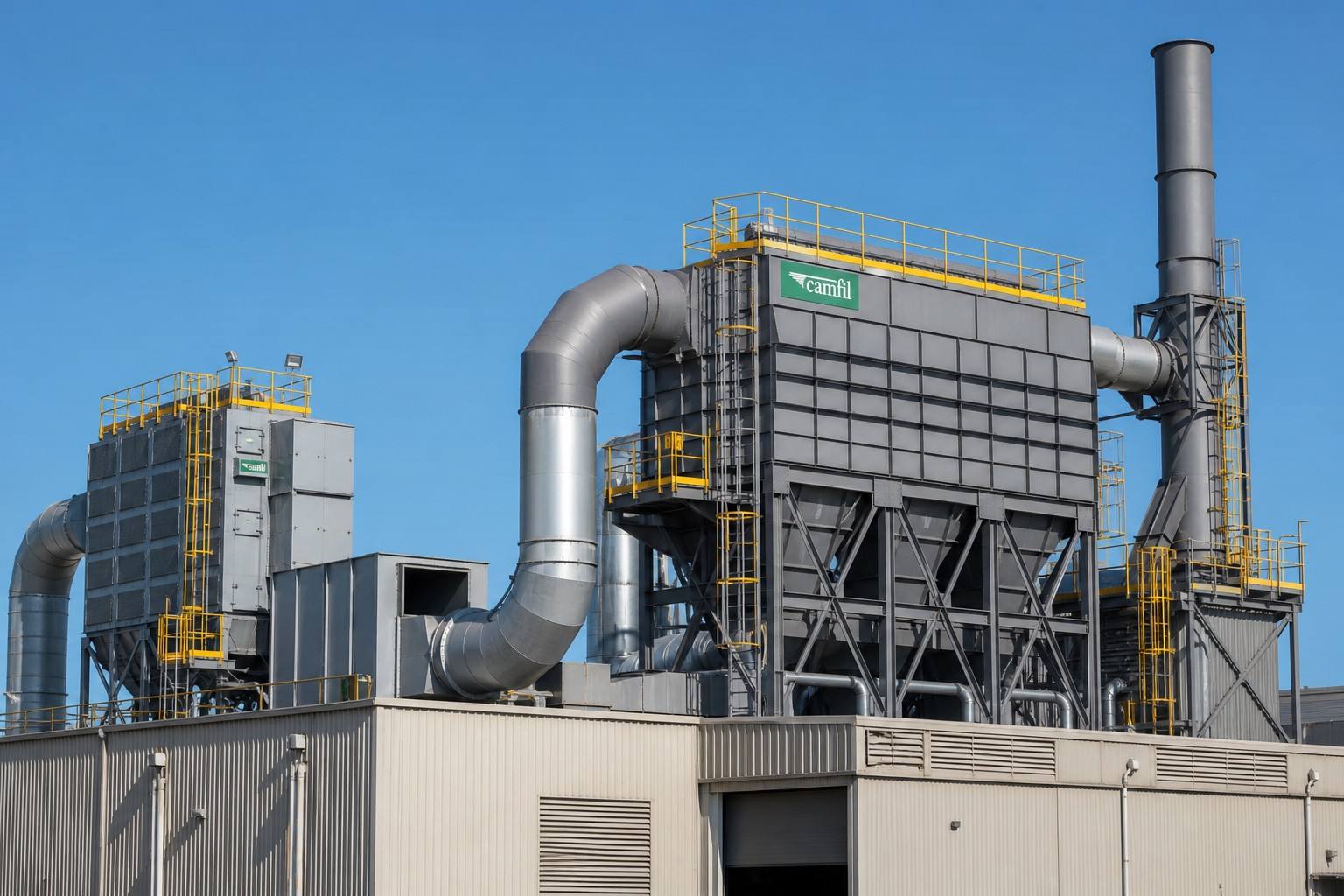
| Particulate (dust) | Melting, blasting, finishing | Baghouse filters, cyclone pre-collectors, wet scrubbers |
| VOC | Core making, no-bake binders | Thermal oxidizers, adsorption |
| CO2 | Energy use | Energy efficiency, recycled input |
| SO2 / NOx | Fuel combustion | Fuel choice, burner control |
| Fumes | Pouring and melting | Capture hoods, filtration |
Modern foundries operate continuous emissions monitoring and baghouse filtration achieving >99% particulate capture.
6. Water Management
| Use | Management Practice |
|---|---|
| Cooling water | Closed-loop recirculation, heat recovery |
| Process water (blasting, wet reclamation) | Settling, filtration, reuse |
| Stormwater | Containment and treatment |
Water consumption per ton of casting can be reduced by 50-80% through closed-loop systems — and heat recovered from cooling can preheat plant water or spaces.
7. Environmental Management Systems
7.1 ISO 14001
The international standard for environmental management:
| Element | Foundry Application |
|---|---|
| Environmental policy | Committed targets |
| Compliance register | Laws and regulations tracked |
| Objectives and programs | Energy, waste, emissions targets |
| Operational control | Documented processes |
| Monitoring | Emission, energy, waste data |
| Continual improvement | Annual review cycles |
7.2 Other Certifications and Standards
| Standard/Initiative | Focus |
|---|---|
| ISO 50001 | Energy management |
| ISO 14064 | Carbon footprint accounting |
| EPD (Environmental Product Declaration) | Product-level LCA data |
| ResponsibleSteel | Steel supply chain responsibility |
8. Life Cycle Assessment (LCA) of a Casting
A casting's environmental story spans its full life:
| Life Stage | Impact |
|---|---|
| Raw material (scrap) | Low — recycled content |
| Melting and casting | Dominant energy use |
| Machining | Energy + material loss |
| Use phase | Decades of service; weight and durability matter |
| End of life | 100% recyclable — the casting returns as scrap |
Key LCA insight: for most cast components, the use phase (often 10-30 years) multiplies the manufacturing impact. A casting that is slightly heavier but lasts twice as long can have a lower lifecycle footprint — durability is sustainability.
9. Lean Manufacturing and Waste Reduction
Sustainability and lean production share the same goal: eliminate waste.
| Lean Waste | Foundry Equivalent | Environmental Benefit |
|---|---|---|
| Defects | Scrap castings | Re-melting energy avoided |
| Overproduction | Excess inventory | Energy, material, space |
| Waiting | Furnace idle | Energy efficiency |
| Motion | Poor layout | Less material handling |
| Transportation | Unnecessary logistics | Fuel savings |
| Inventory | Large WIP | Working capital + energy |
10. Evaluating Foundry Sustainability: A Buyer's Checklist
| Question | What It Reveals |
|---|---|
| What share of your charge is recycled? | Carbon intensity of material |
| What is your casting yield? | Material efficiency |
| How much sand do you reclaim? | Waste management |
| Do you have ISO 14001 / 50001? | Management commitment |
| Can you provide energy data per ton? | Process efficiency |
| Can you provide CO2 data or an EPD? | Carbon transparency |
| How is scrap handled? | Recycling discipline |
A foundry that answers these questions with data is managing its costs — and its environmental footprint — systematically.
11. Sustainability in Practice
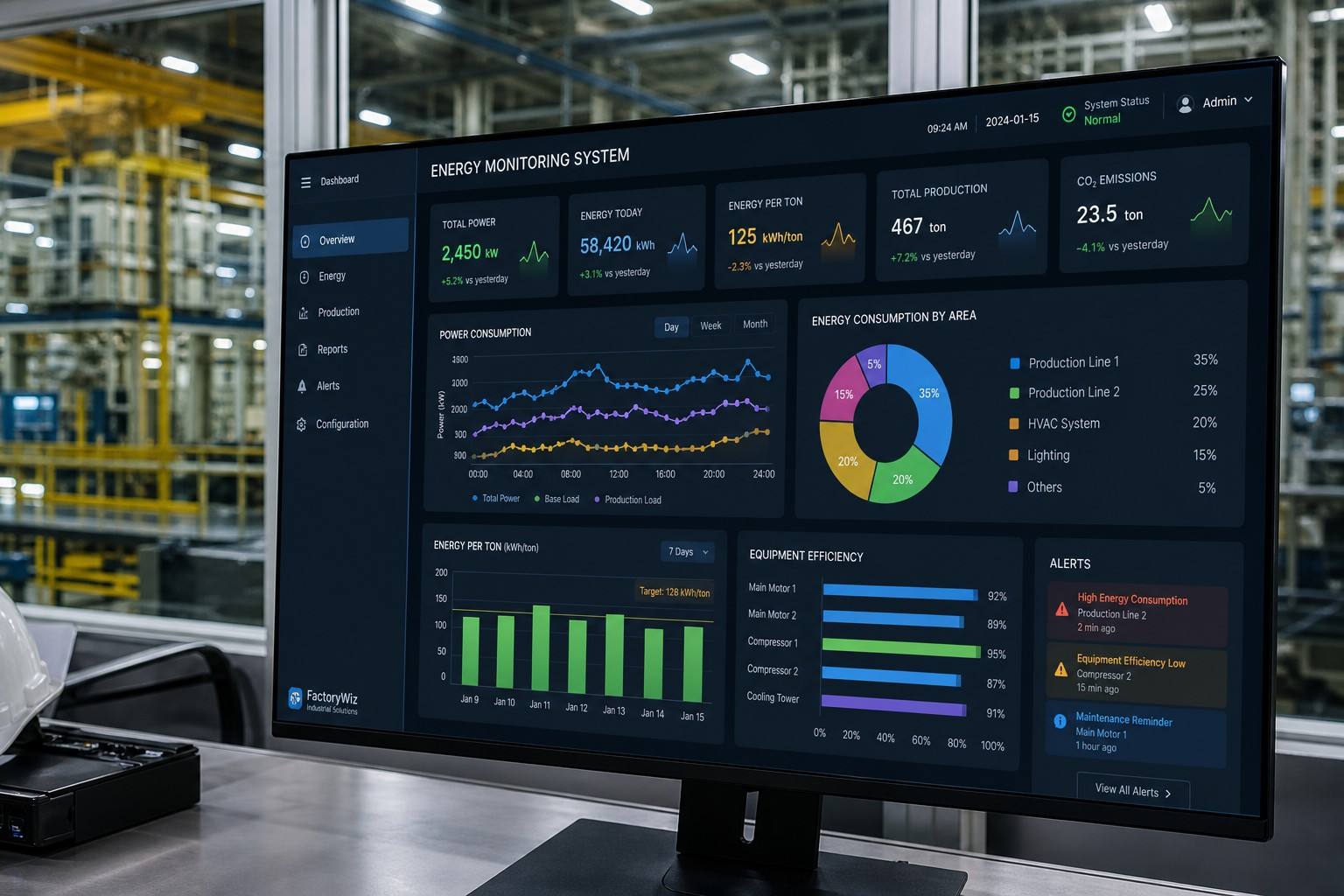
At Dandong City Pengxin Machinery Co., Ltd., sustainability is built into daily production: steel scrap and return material form the bulk of every charge; sand is reclaimed and recycled across the molding lines; energy-efficient induction melting is controlled against per-ton targets; and particulate capture keeps emissions under regulatory limits. The company's long production history — castings that serve steel mills and heavy industry for decades — is itself a form of sustainability: durable products that return to the melt at the end of their service life.
Conclusion
The foundry industry's environmental narrative is often misunderstood. Casting is energy-intensive — but it is also the original circular economy: recycled steel in, durable component out, fully recyclable at end of life. The foundries leading the industry are those that optimize this loop: more efficient melting, higher yields, reclaimed sand, and disciplined environmental management.
Dandong City Pengxin Machinery Co., Ltd. has practiced this model since 1958 — recycling, reclaiming, and controlling emissions while producing heavy castings that serve their industries for decades.
If sustainability metrics matter to your supply chain, ask us for our energy, recycling, and environmental data — we measure what we manage.
Dandong City Pengxin Machinery Co., Ltd. — Heavy Castings and Precision Machining, Since 1958.
RELATED NEWS
CATEGORIES
LATEST NEWS
CONTACT US
Name: John Yu
Mobile:+86 15941574876
Tel:+86 15941574876
Whatsapp:+86 15941574876
Email:john_yu@metals-casting.com
Add:Wangjiapu Group, Xinan Village, Qianyang Town, Donggang City, Dandong City, Liaoning Province, China.